

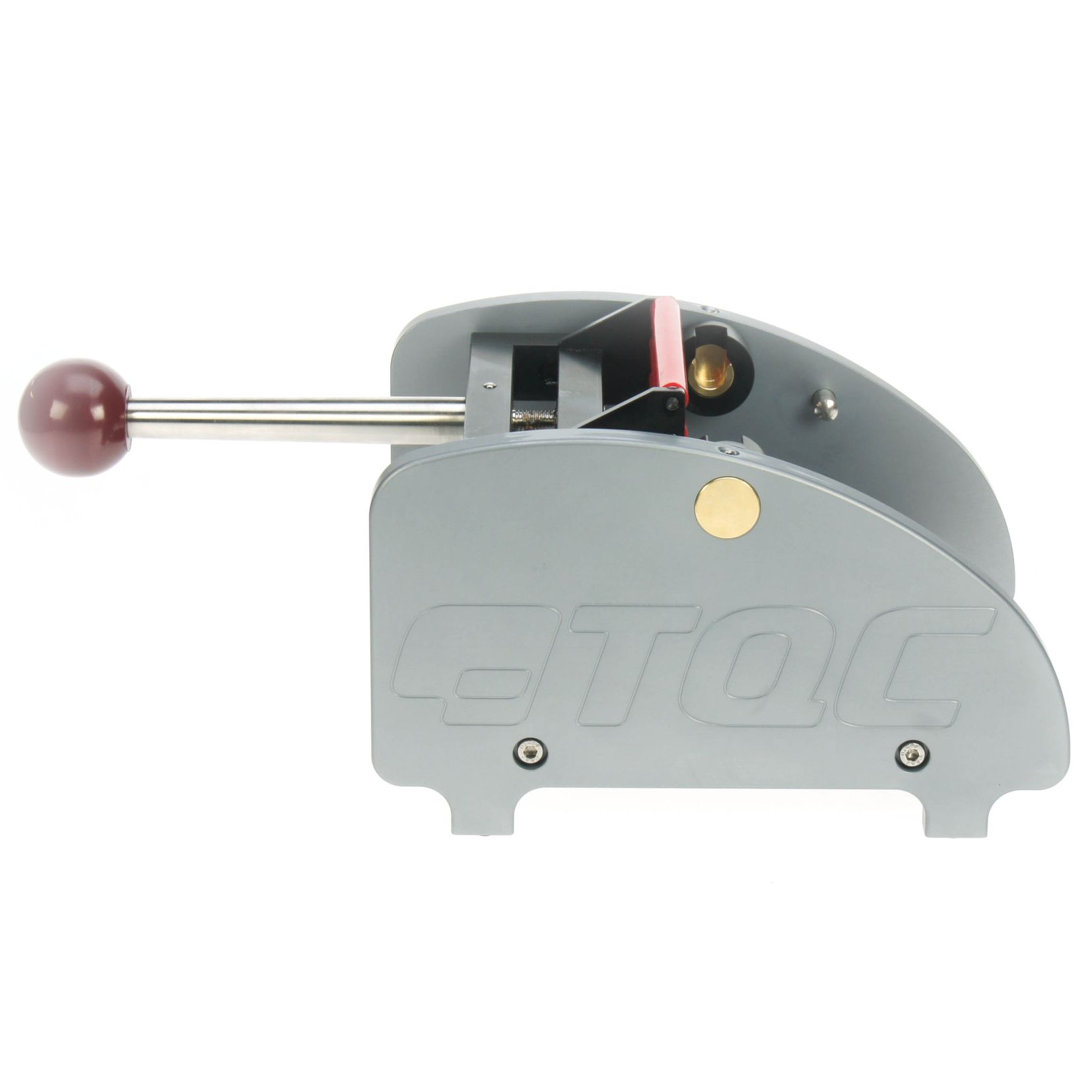
Description
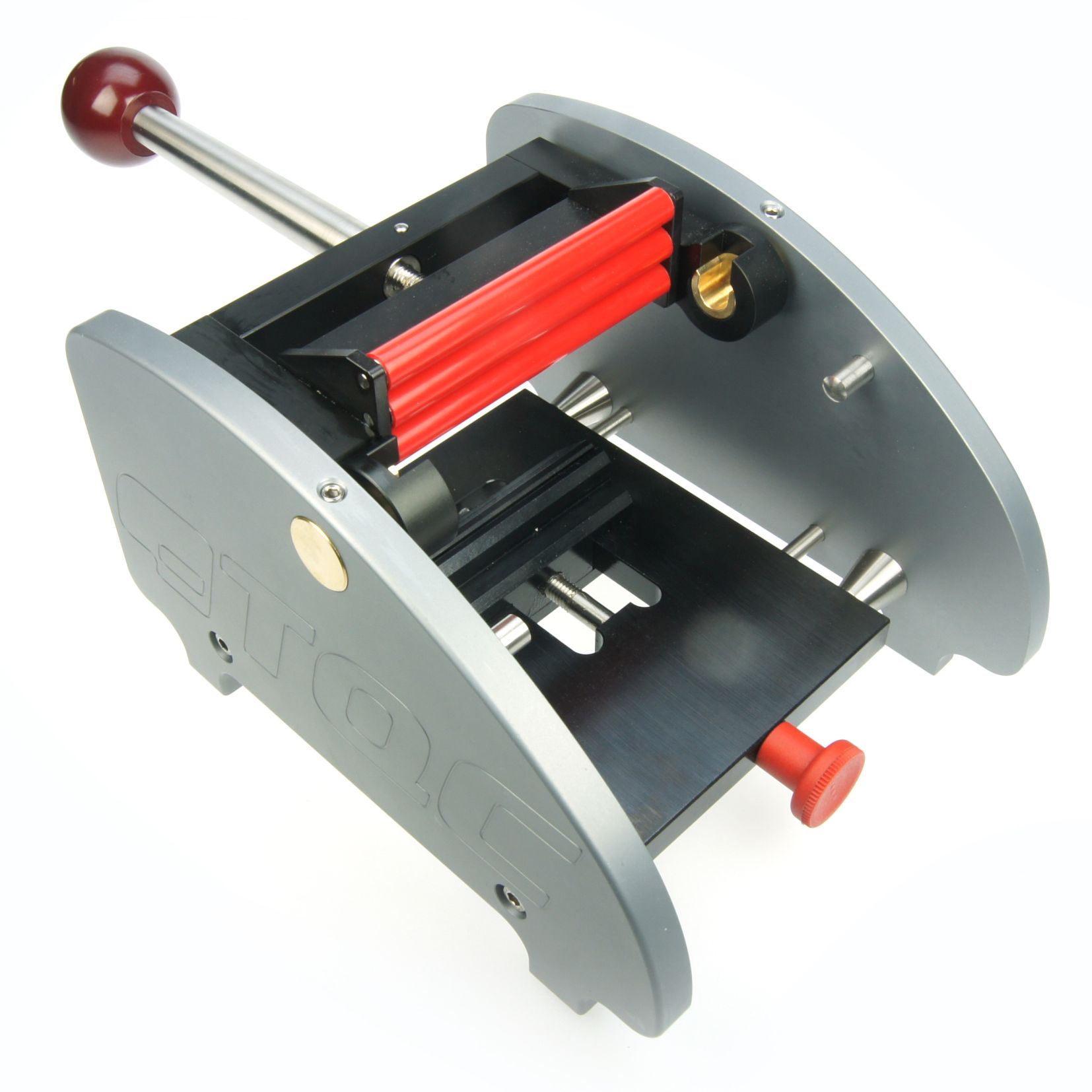
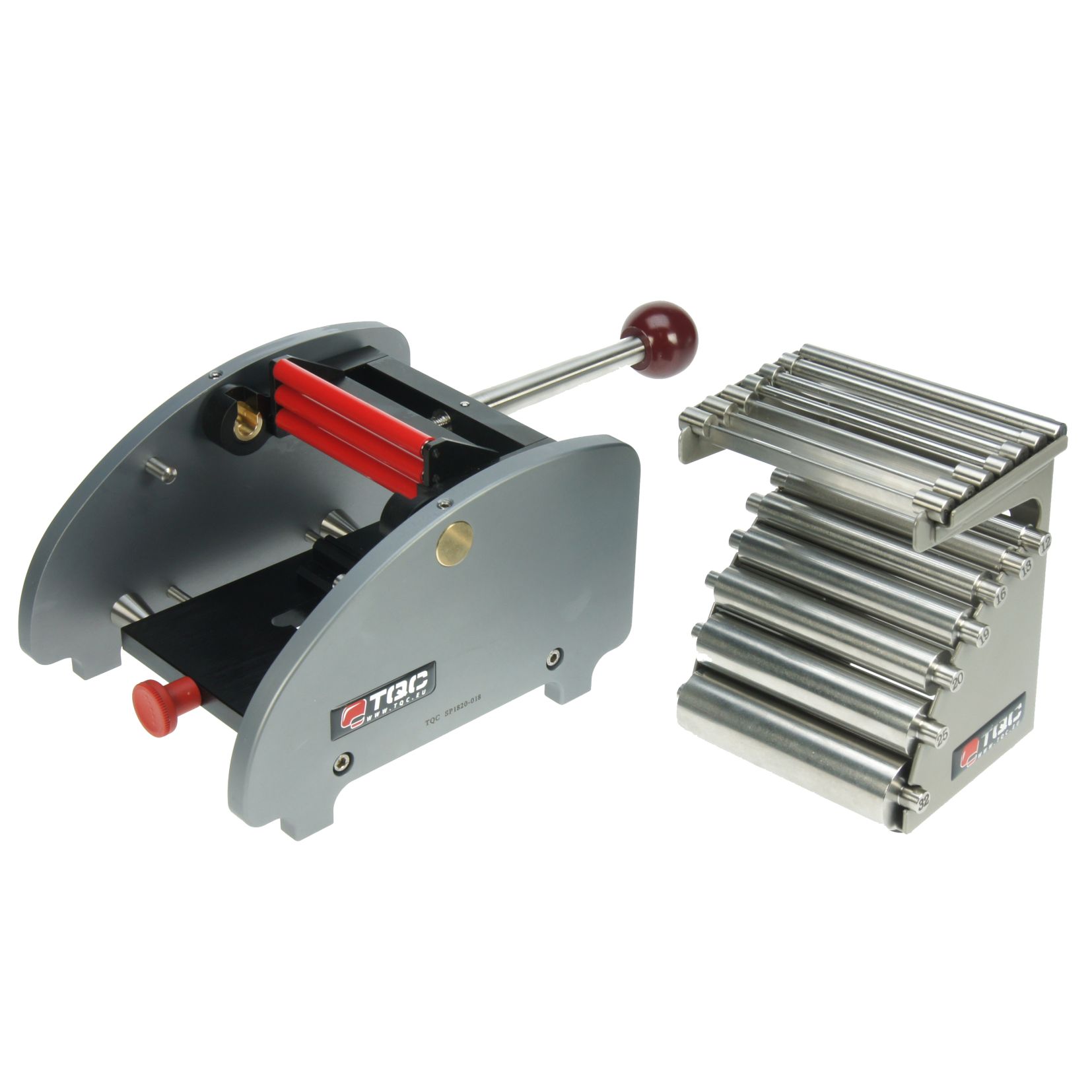
The Cylindrical Bend Test (including Mandrel Set) is a practical and reliable method used to assess the flexibility, ductility and adhesion of paints, coatings and surface finishes. By bending a coated panel around cylindrical mandrels of known diameters, this test helps determine how well a coating withstands deformation without cracking, delaminating or failing. The smaller the diameter of the mandrel, the larger the tension on the coating. The supplied mandrel set includes a range of diameters to support multiple test standards and internal procedures, making it a versatile tool for coating laboratories, quality control departments and production environments.
Used in formulation evaluation, specification verification and comparative performance testing, the cylindrical bend test provides visual and measurable evidence of coating flexibility and mechanical integrity under bending stresses.
⸻
How It Works
- Select the appropriate mandrel diameter based on your test standard or internal requirements.
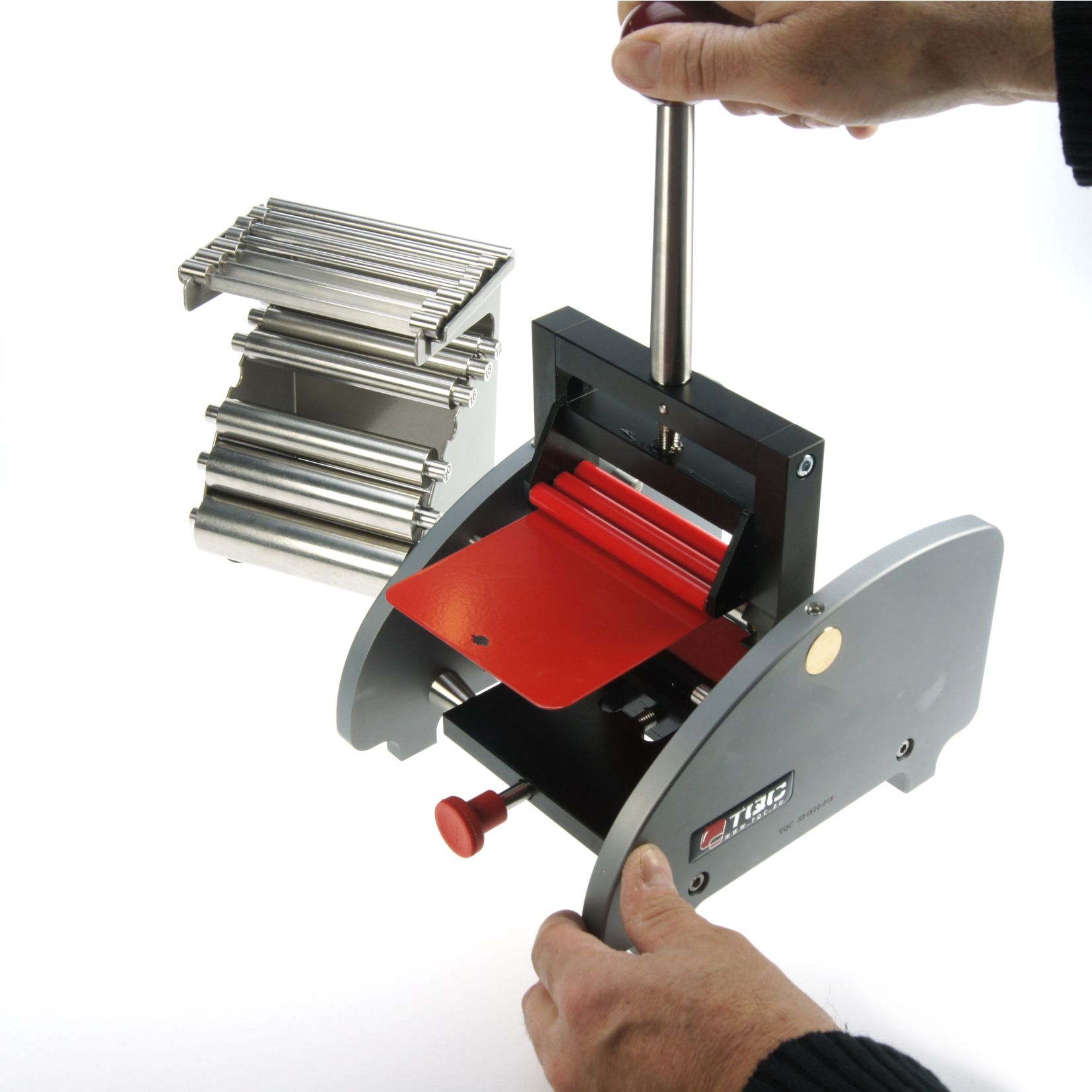
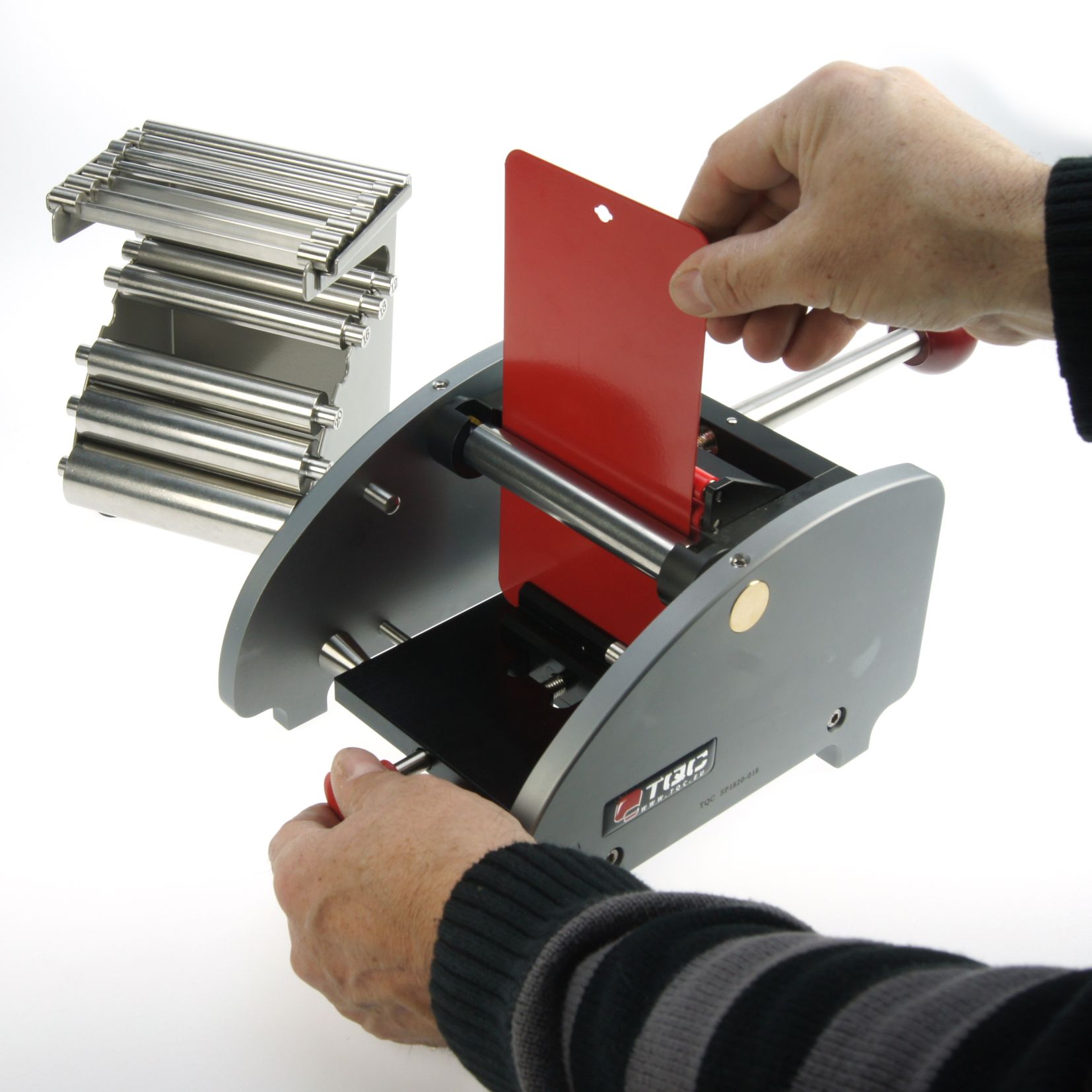
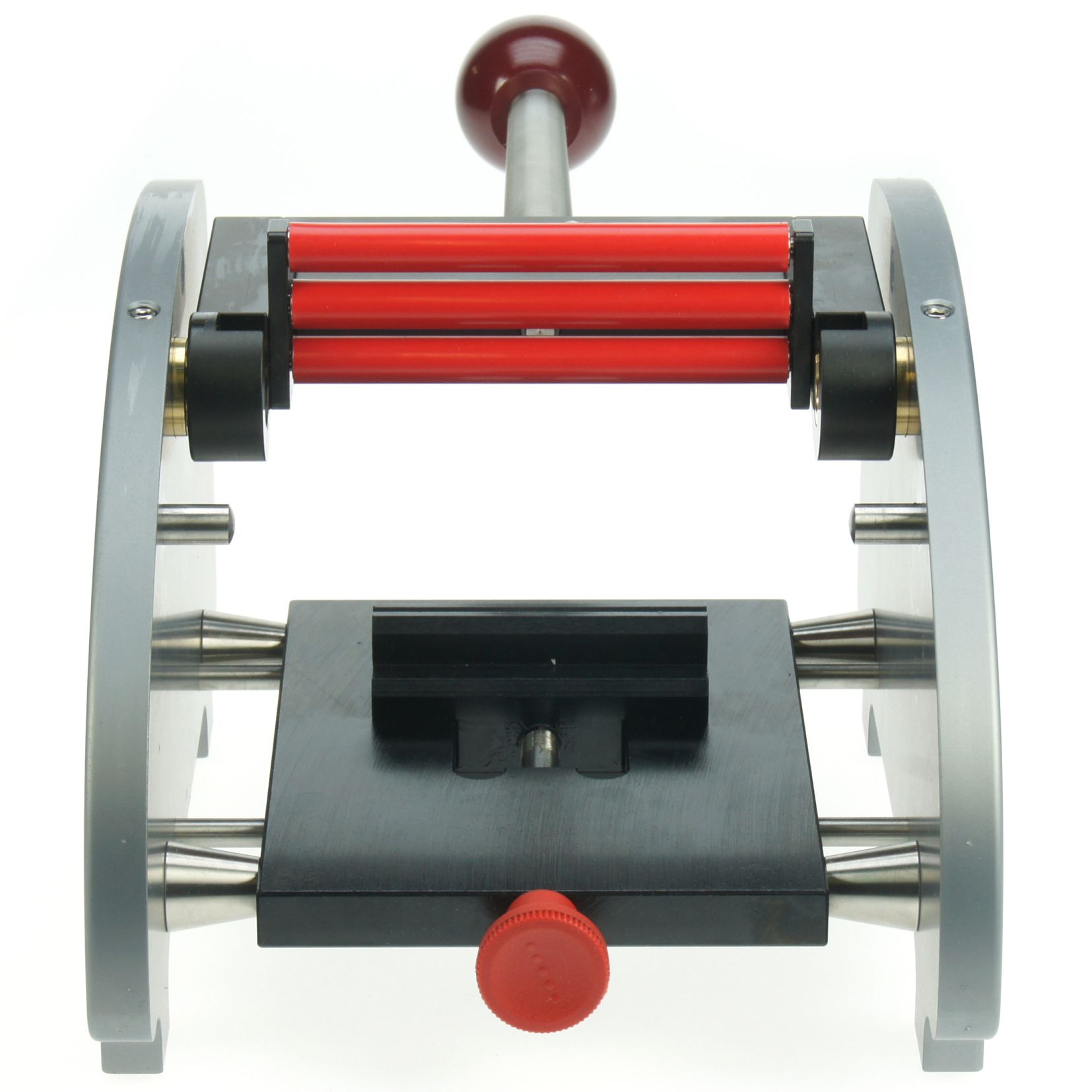
- Insert the coating test panel into the cylindrical bend tester, ensuring the coated side is positioned correctly.
- Secure the test panel firmly by tightening the clamping screw.
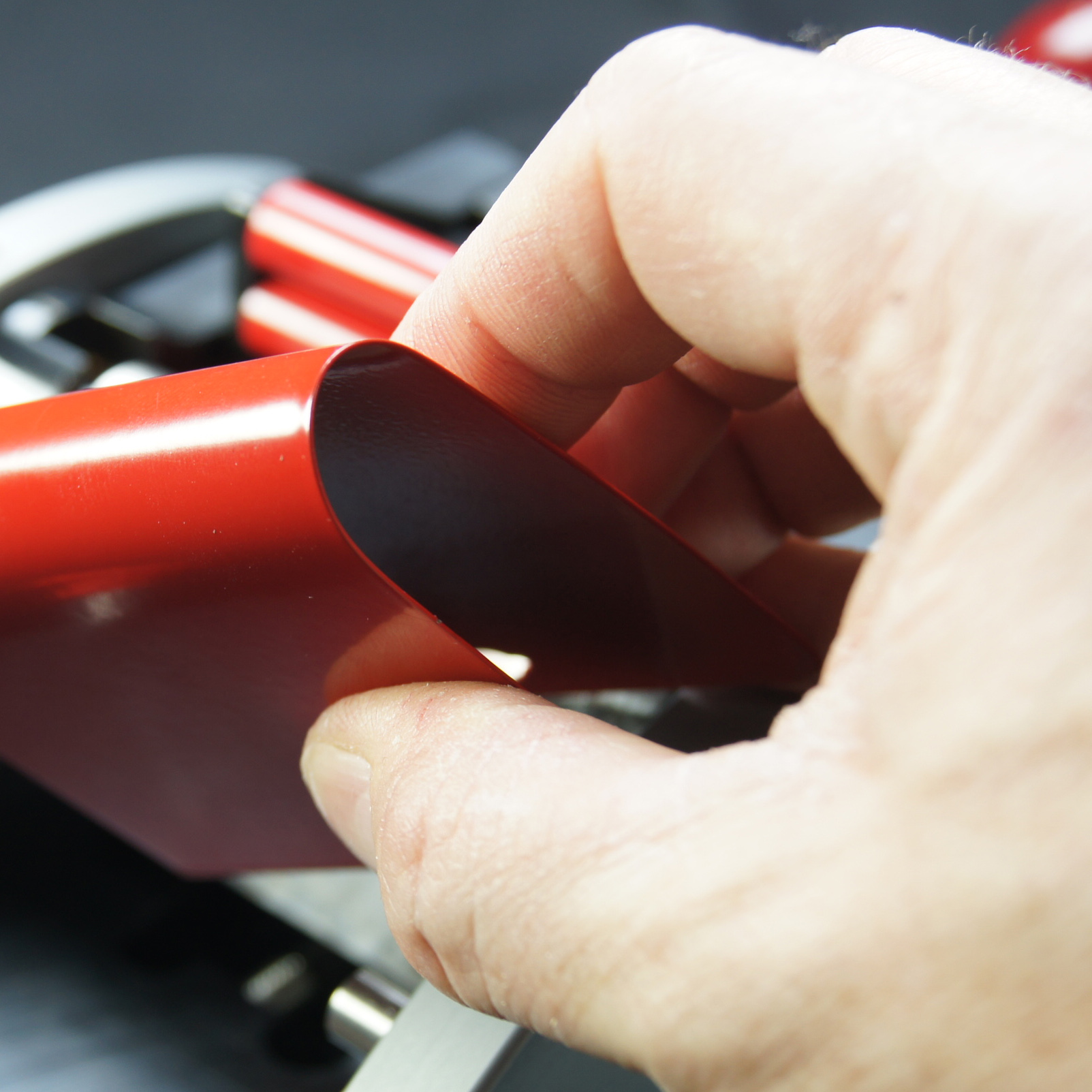
- Bend the panel smoothly and evenly around the selected mandrel diameter.
- Examine the coated surface closely as the panel wraps around the mandrel.
- Look for signs of coating cracking, flaking or loss of adhesion.
- Record the smallest mandrel diameter at which the coating remains intact — this indicates ductility and flexibility.
- Compare results to internal acceptance criteria or industry test methods.
This simple yet effective bending method provides a clear indication of coating performance under mechanical stress.
⸻
Key Features & Benefits
- Includes a set of cylindrical mandrels for multiple bend radii
- Provides objective evaluation of coating flexibility and adhesion
- Easy and repeatable bending process
- No power supply required — purely mechanical method
- Suitable for quality control, R&D and production environments
- Accommodates large test panels
⸻
Cylindrical vs. Conical Bend Test
Both the cylindrical and conical bend tests are used to evaluate the flexibility and adhesion of coatings under deformation, but they operate according to different principles and standards.
In a cylindrical bend test, the coated panel is bent around a mandrel with a fixed diameter. The result is typically assessed per defined diameter to determine whether cracking or delamination occurs.
In a conical bend test, the panel is bent over a conical mandrel with a gradually reducing diameter. This creates a continuous deformation range in a single movement, and cracking or tearing may occur at a specific point along the cone, depending on the coating’s flexibility.
Each method is covered by its own applicable testing standards and is selected based on the relevant specification, material type and testing requirements.
⸻
Scope of Supply
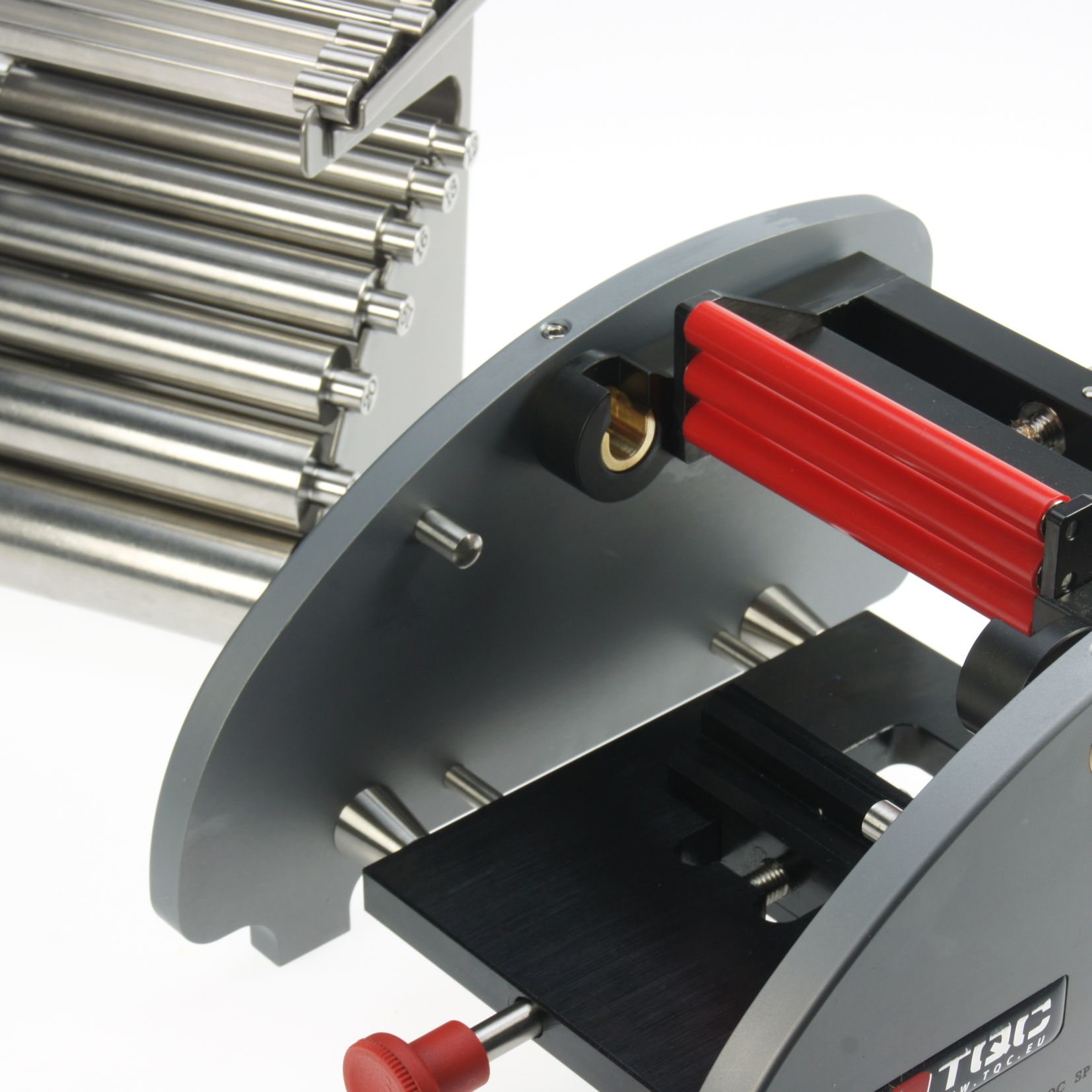
- Cylindrical bend test fixture or holder
- Mandrel set with multiple diameters
⸻
Accessories
- TQC Sheen Test panels
- Visual inspection tools (magnifiers, microscope)
⸻
Manufacturing and Standards
The Cylindrical Bend Test kit is manufactured by TQC Sheen, part of Industrial Physics, and engineered to provide consistent and repeatable flexibility and adhesion evaluation for coatings and finishes. Its precision mandrel set supports standard testing practices often used in quality control and performance verification workflows. In accordance with the following standards:
The TQC Sheen Cylindrical Bend Test is a Mandatory test in Qualicoat, QIB and GSB accredited laboratories.
Please find the full QUALICOAT kit here.
⸻
Links
TQC Sheen Cylindrical Bend Test | Product Sheet
Click here to contact us or request a quote.